

Supply Chain ESG: A Step-by-Step Guide for Malaysian Suppliers
ESG for Malaysian Suppliers: A Step-by-Step Guide for Tier 2 & 3
For many manufacturers in Malaysia, ESG is no longer a topic limited to large multinational corporations. Today, buyer expectations are extending deeper into the supply chain, affecting not only direct manufacturers but also supporting vendors and smaller industrial partners. Because of this shift, Malaysian Suppliers ESG readiness is increasingly expected across all levels — from responsible environmental practices and stronger governance to better workforce management.
Across Malaysia’s export-driven industries, ESG readiness is becoming part of supplier evaluation and procurement decisions. Whether a company supplies industrial components, packaging, logistics support, or manufacturing services, ESG requirements are gradually becoming part of normal business operations.
Many SMEs still assume ESG only applies to public-listed companies. However, global procurement teams are now reviewing suppliers across multiple levels of the supply chain. This means many Malaysian suppliers may eventually face sustainability questionnaires, compliance reviews, or documentation requests from larger clients.
For SMEs that are still building their ESG framework, this practical guide on ESG for SMEs in Malaysia explains how local businesses can prepare step-by-step for future ESG expectations.
Why Malaysian Suppliers ESG Readiness Is Now a Supply Chain Priority
International companies are under increasing pressure to prove responsible sourcing and sustainable operations. As a result, supplier monitoring is expanding rapidly across manufacturing and industrial sectors. This trend directly affects Malaysian suppliers, especially businesses connected to electronics, food production, engineering, and export manufacturing.
In the past, buyers mainly focused on pricing, delivery timelines, and production quality. Today, companies are also reviewing areas such as:
- Workplace safety and labour conditions
- Waste management systems
- Environmental compliance
- Energy consumption tracking
- Ethical business practices
- Supply chain transparency
For many local suppliers, these expectations may initially feel challenging. However, most buyers are not expecting immediate perfection. Instead, they want suppliers to show clear improvement efforts and proper operational documentation.
This is one reason why demand for professional Target ESG Malaysia support has increased among SMEs that want to improve compliance readiness without disrupting daily operations.
According to United Nations Global Compact, responsible supply chains are becoming a key part of long-term global sustainability strategies.
Tier 2 3 Supplier ESG Audit: What Businesses Should Expect
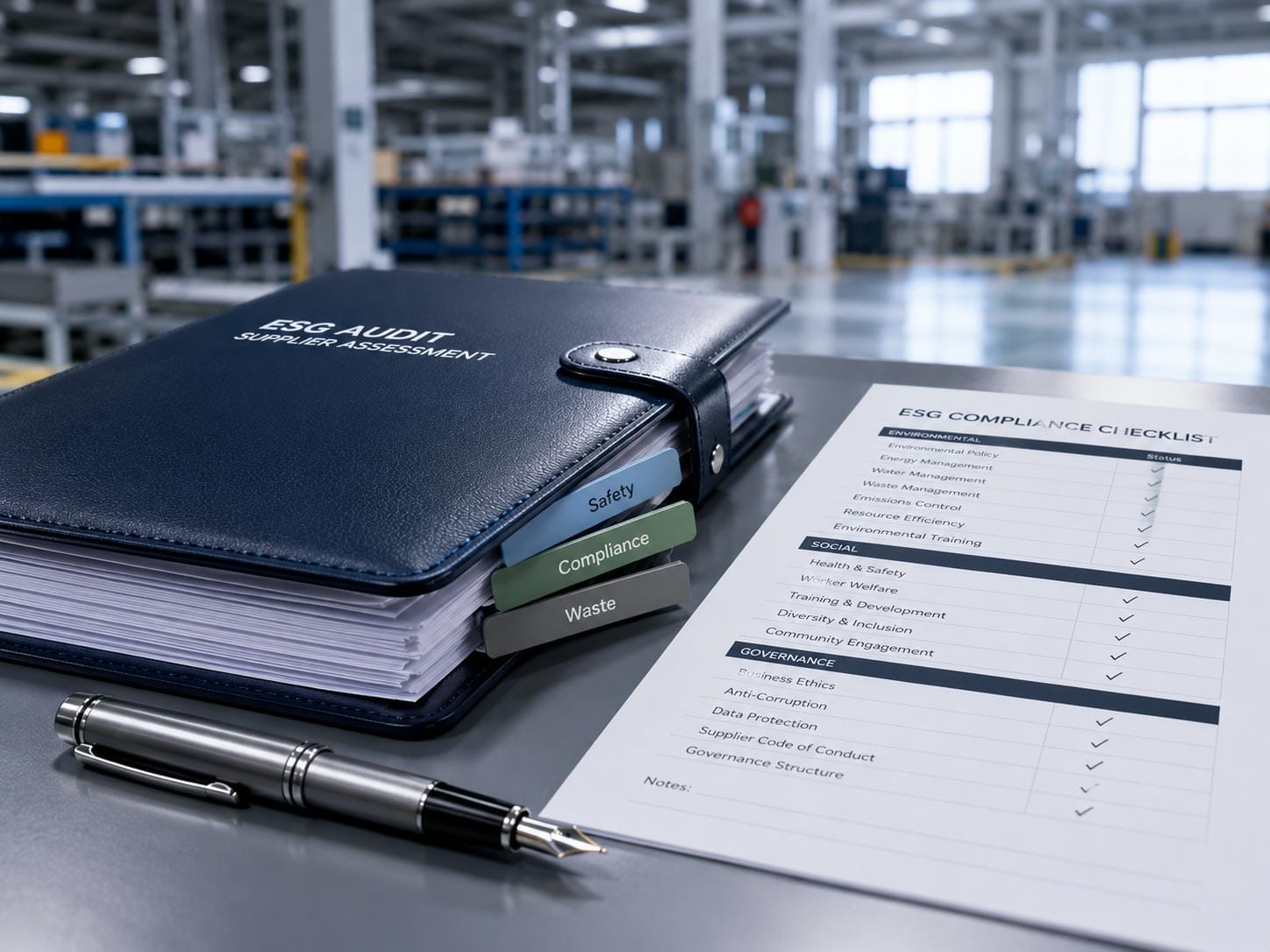
Many SMEs are still unfamiliar with the actual process behind a Tier 2 3 supplier ESG audit review. In reality, these assessments are often more practical and operational than businesses expect.
Most ESG audits focus on several key areas, including:
- Employee records and HR management
- Workplace safety procedures
- Environmental compliance documentation
- Waste disposal practices
- Internal governance controls
- Supplier management systems
For many Malaysian suppliers, preparation and consistency matter more than perfection. Buyers generally want evidence that suppliers are making genuine efforts to improve their operations and maintain responsible business practices.
A typical Tier 2 3 supplier ESG audit process may involve document checks, site observations, management interviews, and operational reviews. Companies with organised documentation and basic ESG systems usually adapt more smoothly during these evaluations.
Working with Target ESG Malaysia can help SMEs understand audit expectations, prioritise realistic improvements, and avoid unnecessary confusion during implementation.
At the same time, SME Corp Malaysia has also encouraged local SMEs to improve sustainability readiness and strengthen long-term operational resilience.
Common ESG Challenges Faced by Malaysian Suppliers
Many Malaysian suppliers face similar challenges when beginning their ESG journey. One of the most common misconceptions is the belief that ESG implementation always requires large budgets and complicated systems.
In reality, many ESG improvements start with simple operational discipline and stronger documentation practices.
Limited ESG Knowledge
Some SMEs are unsure where to begin because ESG terminology often sounds technical and complex. As a result, many companies delay action until buyers begin requesting ESG-related information.
Incomplete Documentation
Some suppliers already follow decent workplace and environmental practices but fail to document them properly. During a Tier 2 3 supplier ESG audit, missing records can create unnecessary concerns even if operations are generally acceptable.
Resource Limitations
Smaller suppliers may not have dedicated compliance departments or ESG managers. In many cases, ESG responsibilities are handled by existing operational teams with limited time and resources.
Rising Customer Expectations
As multinational companies strengthen their sustainability reporting, suppliers are increasingly expected to provide ESG-related information quickly and accurately.
Because of these pressures, many SMEs are now turning to Target ESG Malaysia support to build more structured ESG systems.
Practical ESG Steps for Malaysian SMEs
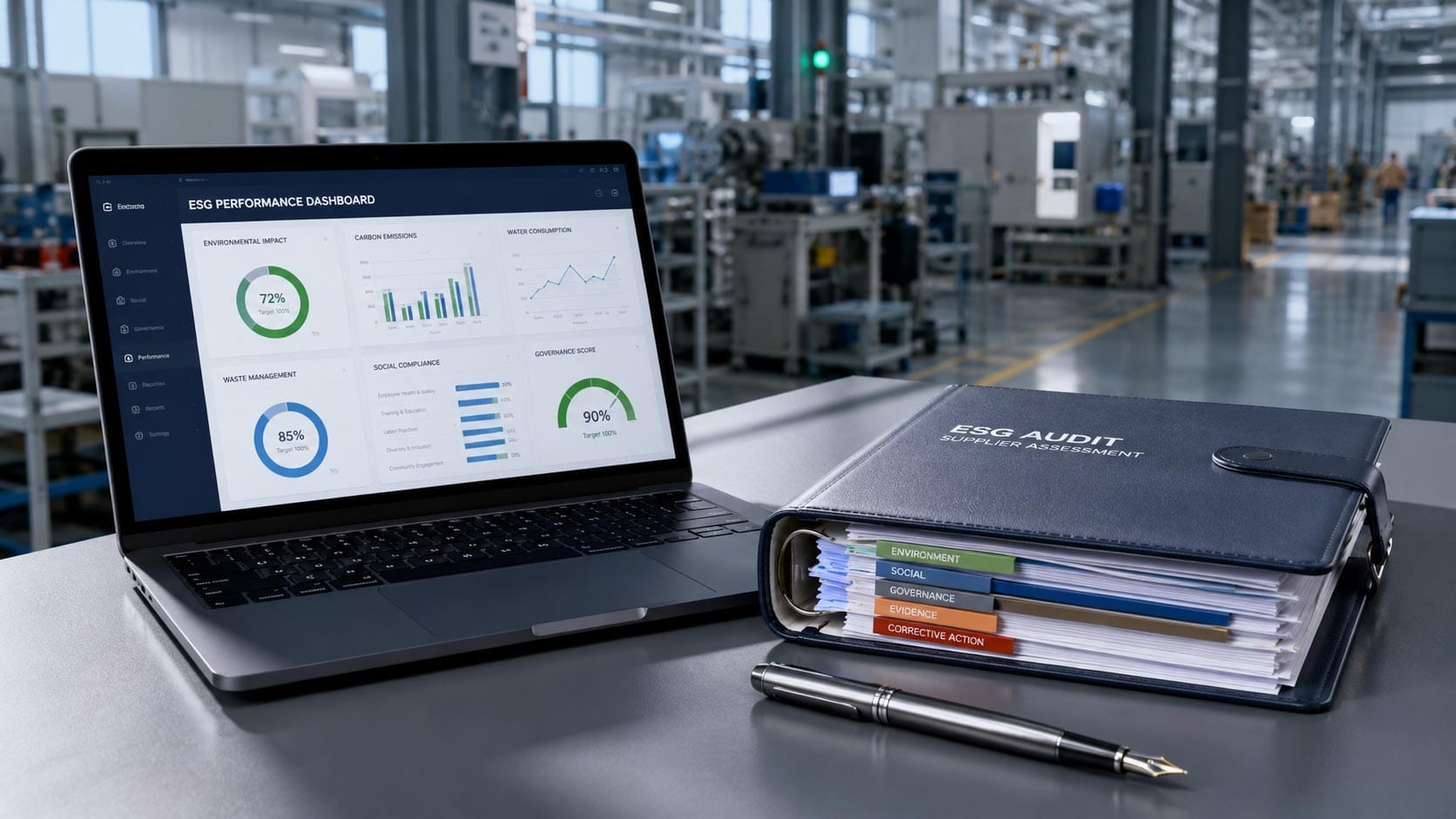
The good news is that ESG improvement does not need to happen overnight. Many successful Malaysian suppliers begin with manageable operational changes before gradually expanding their ESG efforts.
Step 1: Create a Simple ESG Policy Document
Start with a one-page internal policy that covers your company’s basic commitment to workplace safety, waste management, and ethical conduct. This does not need to be complex — buyers simply want to see that your business has documented intentions.
Step 2: Improve Workplace Safety Records
Maintain a basic incident log, conduct regular safety briefings, and keep attendance records for any safety training. During a Tier 2 3 supplier ESG audit review, these documents are often among the first items requested.
Step 3: Track Electricity and Waste Usage Monthly
Use a simple spreadsheet to record monthly electricity consumption and waste disposal volumes. Even basic tracking demonstrates environmental awareness and gives your business a baseline for future improvement.
Step 4: Organise Employee Records
Ensure contracts, payroll records, and working hour logs are complete and up to date. Labour practice documentation is a common focus area in supply chain ESG reviews.
Step 5: Set Basic Supplier Guidelines
If your business works with sub-suppliers or raw material vendors, prepare a short supplier code of conduct. This shows buyers that responsible practices extend beyond your own facility.
Step 6: Assign an Internal ESG Person-in-Charge
Designate one staff member — even part-time — to oversee ESG documentation and coordinate audit preparation. This person does not need a formal ESG background; consistency and organisation matter more at this stage.
For businesses preparing for a future Tier 2 3 supplier ESG audit, consistency is usually more valuable than complexity. Buyers appreciate suppliers that demonstrate continuous improvement and responsible management practices.
Partnering with Target ESG Malaysia can also help SMEs focus on achievable goals while avoiding unnecessary implementation mistakes.
ESG Is Becoming a Long-Term Business Requirement
Across Malaysia, ESG is gradually evolving from a branding initiative into a long-term operational requirement. For export-focused industries nationwide, this trend is expected to become even more important over the next few years.
Forward-thinking Malaysian suppliers are already strengthening their internal systems, improving operational transparency, and preparing for future customer expectations.
Although ESG requirements will continue evolving, businesses that start early often gain several long-term advantages, including:
- Stronger buyer confidence
- Better supplier retention
- Improved operational discipline
- Reduced compliance risks
- Higher long-term competitiveness
As supply chain standards continue changing globally, businesses that ignore ESG may eventually struggle to remain preferred suppliers.
Conclusion
Malaysia’s supply chain landscape is changing rapidly, and ESG expectations are now extending far beyond large corporations. Today, Malaysian suppliers at the Tier 2 and Tier 3 level are increasingly expected to demonstrate responsible operations and stronger sustainability practices.
Fortunately, ESG preparation does not require immediate large-scale transformation. With gradual improvements, organised documentation, and support from Target ESG Malaysia, SMEs can steadily strengthen their readiness for future buyer expectations and upcoming Tier 2 3 supplier ESG audit requirements.
Businesses that begin preparing early are often better positioned to remain competitive, trusted, and resilient in the years ahead.


Supply Chain ESG: A Step-by-Step Guide for Malaysian Suppliers
ESG for Malaysian Suppliers: A Step-by-Step Guide for Tier 2 & 3
For many manufacturers in Malaysia, ESG is no longer a topic limited to large multinational corporations. Today, buyer expectations are extending deeper into the supply chain, affecting not only direct manufacturers but also supporting vendors and smaller industrial partners. Because of this shift, Malaysian Suppliers ESG readiness is increasingly expected across all levels — from responsible environmental practices and stronger governance to better workforce management.
Across Malaysia’s export-driven industries, ESG readiness is becoming part of supplier evaluation and procurement decisions. Whether a company supplies industrial components, packaging, logistics support, or manufacturing services, ESG requirements are gradually becoming part of normal business operations.
Many SMEs still assume ESG only applies to public-listed companies. However, global procurement teams are now reviewing suppliers across multiple levels of the supply chain. This means many Malaysian suppliers may eventually face sustainability questionnaires, compliance reviews, or documentation requests from larger clients.
For SMEs that are still building their ESG framework, this practical guide on ESG for SMEs in Malaysia explains how local businesses can prepare step-by-step for future ESG expectations.
Why Malaysian Suppliers ESG Readiness Is Now a Supply Chain Priority
International companies are under increasing pressure to prove responsible sourcing and sustainable operations. As a result, supplier monitoring is expanding rapidly across manufacturing and industrial sectors. This trend directly affects Malaysian suppliers, especially businesses connected to electronics, food production, engineering, and export manufacturing.
In the past, buyers mainly focused on pricing, delivery timelines, and production quality. Today, companies are also reviewing areas such as:
- Workplace safety and labour conditions
- Waste management systems
- Environmental compliance
- Energy consumption tracking
- Ethical business practices
- Supply chain transparency
For many local suppliers, these expectations may initially feel challenging. However, most buyers are not expecting immediate perfection. Instead, they want suppliers to show clear improvement efforts and proper operational documentation.
This is one reason why demand for professional Target ESG Malaysia support has increased among SMEs that want to improve compliance readiness without disrupting daily operations.
According to United Nations Global Compact, responsible supply chains are becoming a key part of long-term global sustainability strategies.
Tier 2 3 Supplier ESG Audit: What Businesses Should Expect
Many SMEs are still unfamiliar with the actual process behind a Tier 2 3 supplier ESG audit review. In reality, these assessments are often more practical and operational than businesses expect.
Most ESG audits focus on several key areas, including:
- Employee records and HR management
- Workplace safety procedures
- Environmental compliance documentation
- Waste disposal practices
- Internal governance controls
- Supplier management systems
For many Malaysian suppliers, preparation and consistency matter more than perfection. Buyers generally want evidence that suppliers are making genuine efforts to improve their operations and maintain responsible business practices.
A typical Tier 2 3 supplier ESG audit process may involve document checks, site observations, management interviews, and operational reviews. Companies with organised documentation and basic ESG systems usually adapt more smoothly during these evaluations.
Working with Target ESG Malaysia can help SMEs understand audit expectations, prioritise realistic improvements, and avoid unnecessary confusion during implementation.
At the same time, SME Corp Malaysia has also encouraged local SMEs to improve sustainability readiness and strengthen long-term operational resilience.
Common ESG Challenges Faced by Malaysian Suppliers
Many Malaysian suppliers face similar challenges when beginning their ESG journey. One of the most common misconceptions is the belief that ESG implementation always requires large budgets and complicated systems.
In reality, many ESG improvements start with simple operational discipline and stronger documentation practices.
Limited ESG Knowledge
Some SMEs are unsure where to begin because ESG terminology often sounds technical and complex. As a result, many companies delay action until buyers begin requesting ESG-related information.
Incomplete Documentation
Some suppliers already follow decent workplace and environmental practices but fail to document them properly. During a Tier 2 3 supplier ESG audit, missing records can create unnecessary concerns even if operations are generally acceptable.
Resource Limitations
Smaller suppliers may not have dedicated compliance departments or ESG managers. In many cases, ESG responsibilities are handled by existing operational teams with limited time and resources.
Rising Customer Expectations
As multinational companies strengthen their sustainability reporting, suppliers are increasingly expected to provide ESG-related information quickly and accurately.
Because of these pressures, many SMEs are now turning to Target ESG Malaysia support to build more structured ESG systems.
Practical ESG Steps for Malaysian SMEs
The good news is that ESG improvement does not need to happen overnight. Many successful Malaysian suppliers begin with manageable operational changes before gradually expanding their ESG efforts.
Step 1: Create a Simple ESG Policy Document
Start with a one-page internal policy that covers your company’s basic commitment to workplace safety, waste management, and ethical conduct. This does not need to be complex — buyers simply want to see that your business has documented intentions.
Step 2: Improve Workplace Safety Records
Maintain a basic incident log, conduct regular safety briefings, and keep attendance records for any safety training. During a Tier 2 3 supplier ESG audit review, these documents are often among the first items requested.
Step 3: Track Electricity and Waste Usage Monthly
Use a simple spreadsheet to record monthly electricity consumption and waste disposal volumes. Even basic tracking demonstrates environmental awareness and gives your business a baseline for future improvement.
Step 4: Organise Employee Records
Ensure contracts, payroll records, and working hour logs are complete and up to date. Labour practice documentation is a common focus area in supply chain ESG reviews.
Step 5: Set Basic Supplier Guidelines
If your business works with sub-suppliers or raw material vendors, prepare a short supplier code of conduct. This shows buyers that responsible practices extend beyond your own facility.
Step 6: Assign an Internal ESG Person-in-Charge
Designate one staff member — even part-time — to oversee ESG documentation and coordinate audit preparation. This person does not need a formal ESG background; consistency and organisation matter more at this stage.
For businesses preparing for a future Tier 2 3 supplier ESG audit, consistency is usually more valuable than complexity. Buyers appreciate suppliers that demonstrate continuous improvement and responsible management practices.
Partnering with Target ESG Malaysia can also help SMEs focus on achievable goals while avoiding unnecessary implementation mistakes.
ESG Is Becoming a Long-Term Business Requirement
Across Malaysia, ESG is gradually evolving from a branding initiative into a long-term operational requirement. For export-focused industries nationwide, this trend is expected to become even more important over the next few years.
Forward-thinking Malaysian suppliers are already strengthening their internal systems, improving operational transparency, and preparing for future customer expectations.
Although ESG requirements will continue evolving, businesses that start early often gain several long-term advantages, including:
- Stronger buyer confidence
- Better supplier retention
- Improved operational discipline
- Reduced compliance risks
- Higher long-term competitiveness
As supply chain standards continue changing globally, businesses that ignore ESG may eventually struggle to remain preferred suppliers.
Conclusion
Malaysia’s supply chain landscape is changing rapidly, and ESG expectations are now extending far beyond large corporations. Today, Malaysian suppliers at the Tier 2 and Tier 3 level are increasingly expected to demonstrate responsible operations and stronger sustainability practices.
Fortunately, ESG preparation does not require immediate large-scale transformation. With gradual improvements, organised documentation, and support from Target ESG Malaysia, SMEs can steadily strengthen their readiness for future buyer expectations and upcoming Tier 2 3 supplier ESG audit requirements.
Businesses that begin preparing early are often better positioned to remain competitive, trusted, and resilient in the years ahead.
