

How Johor Manufacturers Can Start ESG Reporting

ESG Reporting for Johor Manufacturers – Steps to Get Started in Malaysia
ESG reporting has become increasingly important for manufacturers in Johor, Malaysia as regulatory expectations, investor priorities, and supply chain requirements continue to grow.
With Malaysia strengthening its national sustainability agenda, companies are encouraged to show responsible environmental, social, and governance practices through clearer documentation. For manufacturers, this creates a practical framework to improve operational processes, increase transparency, and prepare for future compliance needs.
Understanding ESG for Manufactures
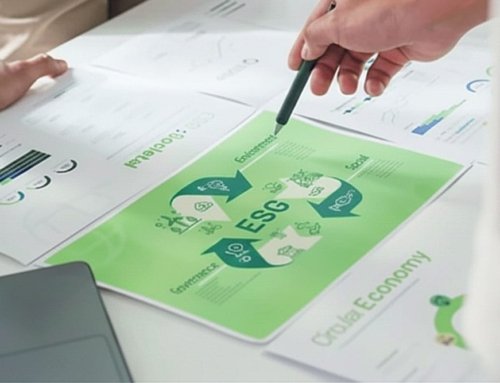
Environmental, social, and governance considerations are now central to modern business operations. They provide a framework for companies to evaluate how resources are managed, how people are treated, and how decisions are governed.
An ESG Consultant Johor, such as Clarity, can offer structured assessments and practical direction for manufacturers beginning their sustainability journey. This support often includes identifying relevant ESG compliance areas and implementing measures that match the organisation’s size, processes, and capacity.
Key Areas of ESG Criteria:
 1. Environmental Aspects
Environmental indicators help manufacturers understand how their activities affect natural resources and surrounding ecosystems.
- Resource Efficiency
Managing water, electricity, and raw materials responsibly. - Pollution and Waste Control
Reducing emissions and improving waste-management practices. - Climate-Related Measures
Implementing initiatives that lower carbon output and strengthen climate resilience. - Biodiversity Considerations
Supporting ecosystem preservation where operations take place.
 2.Social Aspects
Social factors reflect how a company interacts with its employees, partners, and communities.
- Workplace Standards
Ensuring fair wages, safe working conditions, and respect for worker rights. - Diversity and Inclusion
Offering equal opportunities and building a diverse workforce. - Climate-Related Measures
Implementing initiatives that lower carbon output and strengthen climate resilience. - Community Support
Contributing to local development and social well-being.
 3. Governance Aspects
Governance relates to how decisions are made and how accountability is maintained.
- Workplace Standards
Ensuring fair wages, safe working conditions, and respect for worker rights. - Leadership and Board Oversight
Clear roles and transparent decision-making processes. - Ethical Conduct
Preventing unethical behaviour such as corruption or bribery. - Risk Controls
Identifying potential risks early and implementing appropriate measures. - Stakeholder Communication
Keeping investors, employees, regulators, and customers informed.
Why ESG Matters for SMEs in Johor
SMEs in Johor are increasingly adopting ESG initiatives due to growing industry expectations and practical business benefits.
- Better Market Access
Many corporations now prefer suppliers that meet ESG requirements. - Stronger Investor and Lender Confidence
Responsible companies are more appealing to financial institutions. - Operational Savings
Efficiency improvements such as energy reduction help lower long-term costs. - Improved Business Reputation
Companies known for ethical and responsible conduct gain trust from partners and customers. - Risk Awareness
ESG frameworks help companies identify environmental, labour, or regulatory risks early. - Attracting Talent
Younger employees often prefer joining organisations with strong values. - Future Readiness
Aligns SMEs with upcoming sustainability expectations and global standards.
Malaysia’s ESG Tax Deduction (2026–2027)
To encourage wider sustainability adoption, Malaysia has introduced a tax deduction of up to RM50,000 per year for qualifying ESG-related expenses.
Eligible Organisations
- SMEs and micro-enterprises
- Labuan companies
- Financial institutions regulated by Bank Negara Malaysia
Qualifying Expenses
- ESG reporting and validation activities
- Greenhouse gas tracking
- ESG software or digital tools
- Training and employee upskilling
- Advisory or technical assessments
- External sustainability services for SMEs
How Johor Manufacturers Can Begin ESG Reporting
Before starting ESG reporting activities, many manufacturers choose to strengthen internal understanding through ESG training to ensure teams are aligned on reporting requirements, data responsibilities, and ESG priorities.
At this stage, common ESG reporting mistakes often occur when expectations and data processes are not clearly defined.
1. Identify Relevant ESG Topics
Determine which environmental, social, and governance areas relate most to day-to-day operations.
2. Conduct a Baseline Review
Assess current practices to understand strengths and areas that require development.、
3. Collect Reliable Data
Gather information such as energy usage, workforce details, safety records, and key policies. This forms the foundation for sustainability disclosures.
4. Align With Recognised Standards
Use frameworks such as GRI, Bursa Malaysia’s Sustainability Reporting Guide, or industry-specific ESG frameworks.
5. Implement Improvement Measures
Introduce targeted initiatives, whether environmental upgrades, workforce programs, or governance enhancements.
6. Prepare the ESG Report
Document progress clearly and structure the information in a transparent and consistent format.
7. Seek Review When Necessary
Some companies choose external verification to strengthen credibility and stakeholder confidence.
This approach ensures ESG reporting becomes practical, manageable, and aligned with industry expectations.
When External Expertise Is Useful
External support can be helpful when:
- Reporting requirements seem unclear
- Technical assessments such as emissions evaluation are required
- A major client requests structured sustainability disclosures
- Third-party review is needed for credibility
Guidance from sustainability professionals ensures reports reflect real practices and comply with relevant ESG standards.
Conclusion
Embracing ESG reporting offers manufacturers in Johor, Malaysia, a practical path to strengthen sustainability, meet industry expectations, and prepare for future regulations.
By clearly understanding ESG criteria and adopting a structured approach, companies can improve transparency and maintain a competitive edge. Clarity is available to provide any additional support or clarification needed.


How Johor Manufacturers Can Start ESG Reporting
ESG Reporting for Johor Manufacturers – Steps to Get Started in Malaysia
ESG reporting has become increasingly important for manufacturers in Johor, Malaysia as regulatory expectations, investor priorities, and supply chain requirements continue to grow.
With Malaysia strengthening its national sustainability agenda, companies are encouraged to show responsible environmental, social, and governance practices through clearer documentation. For manufacturers, this creates a practical framework to improve operational processes, increase transparency, and prepare for future compliance needs.
Understanding ESG for Manufactures
Environmental, social, and governance considerations are now central to modern business operations. They provide a framework for companies to evaluate how resources are managed, how people are treated, and how decisions are governed.
An ESG Consultant Johor, such as Clarity, can offer structured assessments and practical direction for manufacturers beginning their sustainability journey. This support often includes identifying relevant ESG compliance areas and implementing measures that match the organisation’s size, processes, and capacity.
Key Areas of ESG Criteria:
1. Environmental Aspects
Environmental indicators help manufacturers understand how their activities affect natural resources and surrounding ecosystems.
- Resource Efficiency
Managing water, electricity, and raw materials responsibly. - Pollution and Waste Control
Reducing emissions and improving waste-management practices. - Climate-Related Measures
Implementing initiatives that lower carbon output and strengthen climate resilience. - Biodiversity Considerations
Supporting ecosystem preservation where operations take place.
2.Social Aspects
Social factors reflect how a company interacts with its employees, partners, and communities.
- Workplace Standards
Ensuring fair wages, safe working conditions, and respect for worker rights. - Diversity and Inclusion
Offering equal opportunities and building a diverse workforce. - Climate-Related Measures
Implementing initiatives that lower carbon output and strengthen climate resilience. - Community Support
Contributing to local development and social well-being.
3. Governance Aspects
Governance relates to how decisions are made and how accountability is maintained.
- Workplace Standards
Ensuring fair wages, safe working conditions, and respect for worker rights. - Leadership and Board Oversight
Clear roles and transparent decision-making processes. - Ethical Conduct
Preventing unethical behaviour such as corruption or bribery. - Risk Controls
Identifying potential risks early and implementing appropriate measures. - Stakeholder Communication
Keeping investors, employees, regulators, and customers informed.
Why ESG Matters for SMEs in Johor
SMEs in Johor are increasingly adopting ESG initiatives due to growing industry expectations and practical business benefits.
- Better Market Access
Many corporations now prefer suppliers that meet ESG requirements. - Stronger Investor and Lender Confidence
Responsible companies are more appealing to financial institutions. - Operational Savings
Efficiency improvements such as energy reduction help lower long-term costs. - Improved Business Reputation
Companies known for ethical and responsible conduct gain trust from partners and customers. - Risk Awareness
ESG frameworks help companies identify environmental, labour, or regulatory risks early. - Attracting Talent
Younger employees often prefer joining organisations with strong values. - Future Readiness
Aligns SMEs with upcoming sustainability expectations and global standards.
Malaysia’s ESG Tax Deduction (2026–2027)
To encourage wider sustainability adoption, Malaysia has introduced a tax deduction of up to RM50,000 per year for qualifying ESG-related expenses.
Eligible Organisations
- SMEs and micro-enterprises
- Labuan companies
- Financial institutions regulated by Bank Negara Malaysia
Qualifying Expenses
- ESG reporting and validation activities
- Greenhouse gas tracking
- ESG software or digital tools
- Training and employee upskilling
- Advisory or technical assessments
- External sustainability services for SMEs
How Johor Manufacturers Can Begin ESG Reporting
Before starting ESG reporting activities, many manufacturers choose to strengthen internal understanding through ESG training to ensure teams are aligned on reporting requirements, data responsibilities, and ESG priorities.
At this stage, common ESG reporting mistakes often occur when expectations and data processes are not clearly defined.
1. Identify Relevant ESG Topics
Determine which environmental, social, and governance areas relate most to day-to-day operations.
2. Conduct a Baseline Review
Assess current practices to understand strengths and areas that require development.、
3. Collect Reliable Data
Gather information such as energy usage, workforce details, safety records, and key policies. This forms the foundation for sustainability disclosures.
4. Align With Recognised Standards
Use frameworks such as GRI, Bursa Malaysia’s Sustainability Reporting Guide, or industry-specific ESG frameworks.
5. Implement Improvement Measures
Introduce targeted initiatives, whether environmental upgrades, workforce programs, or governance enhancements.
6. Prepare the ESG Report
Document progress clearly and structure the information in a transparent and consistent format.
7. Seek Review When Necessary
Some companies choose external verification to strengthen credibility and stakeholder confidence.
This approach ensures ESG reporting becomes practical, manageable, and aligned with industry expectations.
When External Expertise Is Useful
External support can be helpful when:
- Reporting requirements seem unclear
- Technical assessments such as emissions evaluation are required
- A major client requests structured sustainability disclosures
- Third-party review is needed for credibility
Guidance from sustainability professionals ensures reports reflect real practices and comply with relevant ESG standards.
Conclusion
Embracing ESG reporting offers manufacturers in Johor, Malaysia, a practical path to strengthen sustainability, meet industry expectations, and prepare for future regulations.
By clearly understanding ESG criteria and adopting a structured approach, companies can improve transparency and maintain a competitive edge. Clarity is available to provide any additional support or clarification needed.
