

ISO 9001 vs ISO 14001 vs ISO 45001: Which Should Malaysian Businesses Get First?

ISO 9001 vs ISO 14001 vs ISO 45001: Which Should Malaysian Businesses Get First?
The Short Answer
Choosing between ISO 9001, ISO 14001, and ISO 45001 isn’t always straightforward, and there’s no single answer that fits every business. That said, for many Malaysian businesses, ISO 9001 is often the most practical starting point, although the right choice ultimately depends on your industry requirements, customer expectations, and operational risks. It builds the process discipline that ISO 14001 and ISO 45001 later plug into, and it is also the standard buyers ask for most often. A factory with heavy environmental output may need ISO 14001 first. A construction or engineering company with high physical risk may need ISO 45001 before anything else.
The rest of this article walks through why, and how to work out which one fits your situation.
Key Takeaways
- ISO 9001 vs ISO 14001 vs ISO 45001 isn’t really a competition. Each standard solves a different problem, and most mature businesses eventually hold all three.
- Sequencing matters more than most business owners realise. Getting the order wrong can mean redoing documentation work later.
- Your industry, your buyer requirements, and your actual operational risks should decide the order, not a generic checklist.
- ISO Certification Malaysia is increasingly a baseline expectation for tenders, exports, and multinational supply chains, not a nice-to-have.
What Each Standard Actually Covers

Before comparing ISO 9001 vs ISO 14001 vs ISO 45001, it helps to be clear on what each one is actually for, because they aren’t interchangeable versions of the same idea.
ISO 9001 is the quality management standard. It’s about consistency: making sure your products or services meet the same standard every time, that customer complaints get resolved properly, and that your processes are documented well enough that they don’t rely entirely on one person’s memory. Learn more about ISO 9001 certification and what implementation involves.
ISO 14001 is the environmental management standard. It covers how your business identifies, controls, and reduces its environmental impact, from waste and emissions to energy use and resource consumption. If your factory deals with regulators on environmental compliance, or your buyers are asking about your carbon footprint, this is usually the standard that comes into play. Our ISO 14001 service page covers the requirements in more detail.
ISO 45001 is the occupational health and safety standard. It’s built around identifying workplace hazards, reducing the risk of injury, and creating a system where safety incidents actually get investigated and prevented rather than just recorded. For businesses in construction, manufacturing, logistics, or anywhere with physical operational risk, this one tends to move up the priority list quickly. You can read more on our ISO 45001 page.
They share a common structure (all three follow the same Annex SL framework), which is exactly why so many businesses end up integrating them into a single management system over time rather than running three separate ones.
Why ISO Certification Malaysia Is Becoming a Non-Negotiable
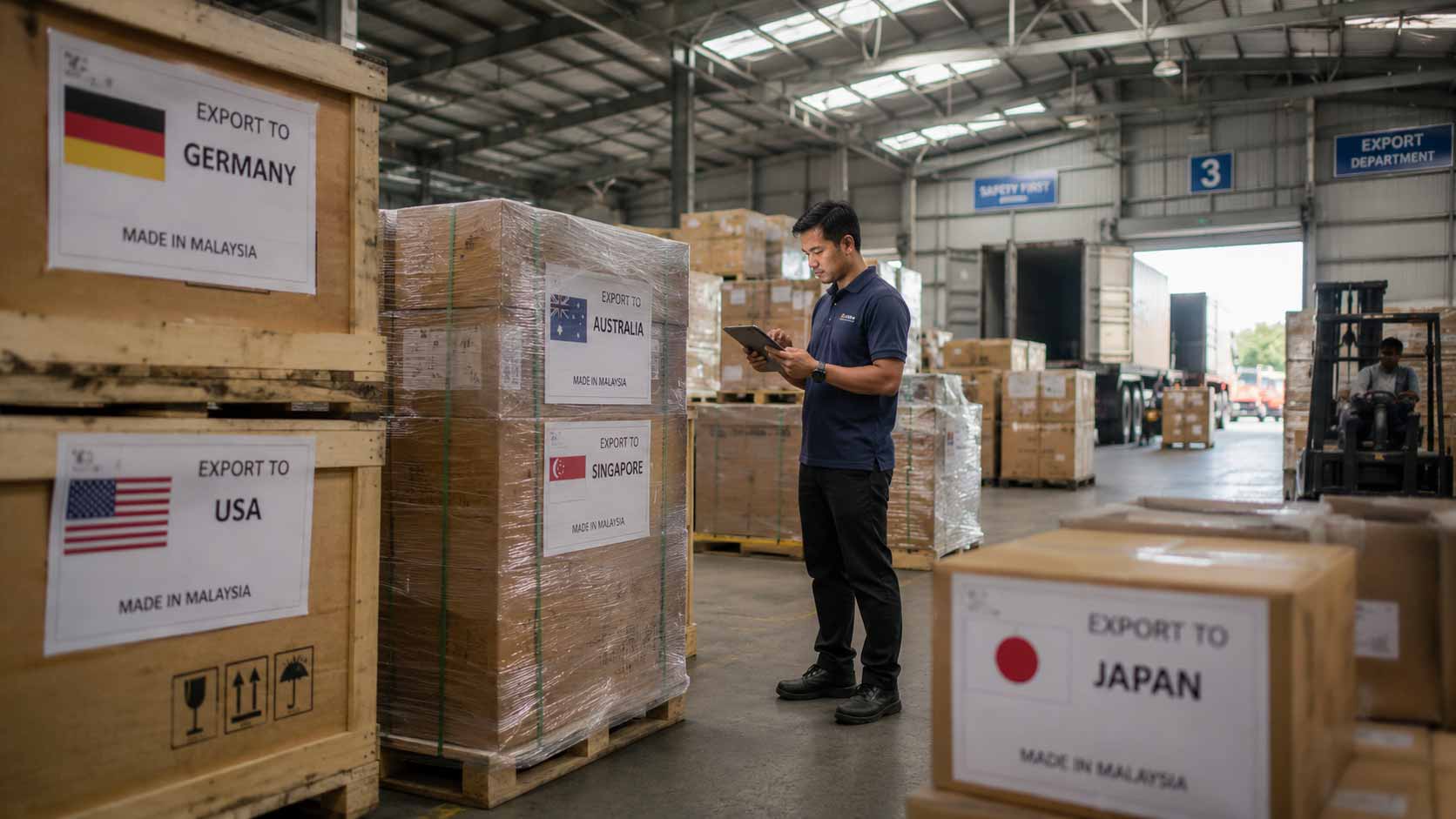
A few years ago, ISO Certification Malaysia was something companies pursued mainly to win larger contracts or satisfy a specific buyer. That’s changed. Many government tenders and procurement projects now treat ISO certification as a competitive advantage, and in some industries it has become a mandatory requirement. Multinational buyers now ask for it during supplier onboarding, before any commercial discussion even starts. And as Malaysian manufacturers push further into international markets, certification has become part of how overseas buyers and multinational supply chains screen suppliers before they’ll even send an RFQ.
This shift means the question for many businesses isn’t “should we get certified,” it’s “which one do we need first, and how fast can we get there.” That’s really the practical problem this article is trying to help you solve.
How to Decide Which Standard to Get First

There’s no universal formula for ISO 9001 vs ISO 14001 vs ISO 45001, but a few questions tend to point most businesses toward the right starting point. This is also usually the point where working with an experienced ISO consultant helps, since they’ve seen how the decision plays out across different industries and can flag risks you might not think to ask about.
A Practical Comparison of ISO 9001 vs ISO 14001 vs ISO 45001
| Factor | ISO 9001 | ISO 14001 | ISO 45001 |
|---|---|---|---|
| Core focus | Quality management | Environmental management | Occupational health & safety |
| Most relevant for | Nearly every industry | Manufacturing, chemical processing, food production | Construction, logistics, heavy manufacturing |
| Typical trigger | Customer complaints, buyer requirements | Environmental regulation, ESG pressure | Workplace incidents, insurance requirements |
| Usually implemented | First | Second or alongside ISO 9001 | First if risk is high, otherwise second |
| Typical timeline | 3–6 months (typical) | 3–6 months (typical) | 3–6 months (typical) |
Timelines vary depending on how ready your current processes already are, so treat this table as a general guide rather than a fixed rule.
Can You Pursue Them Together?
Yes, and many businesses eventually do, through what’s known as an Integrated Management System (IMS). Because ISO 9001, ISO 14001, and ISO 45001 all share the same high-level structure, a lot of the documentation, internal audit processes, and management review cycles can be built once and used across all three standards rather than duplicated three times.
The catch is timing. Businesses that try to build all three from a completely blank slate at the same time often end up stretched thin, especially if they don’t have a dedicated internal team supporting the project. A more common and less risky approach is to implement one standard properly first, then expand into the others using the same foundation, which is usually faster the second and third time around because the core system structure is already in place.
Mistakes to Avoid When Sequencing Your Certifications
Businesses weighing ISO 9001 vs ISO 14001 vs ISO 45001 tend to run into the same handful of avoidable mistakes.
Choosing based on convenience alone.
The certification body or ISO Consultant Malaysia that’s easiest to reach out to isn’t necessarily the right starting point if the standard itself doesn’t match your actual business risk.
Ignoring what your buyers are already asking for.
If your biggest customer has told you, even informally, that they’ll eventually require a specific certification, that’s a strong signal about which one to prioritise.
Underestimating internal workload.
ISO implementation isn’t something a consultant does to your business; it’s something they help your team do. If your operations team is already stretched, rushing the timeline usually shows up as findings during the actual audit.
Treating certification as a one-time project.
All three standards require ongoing surveillance audits and continual improvement. Choosing the first standard should factor in which one your business can realistically sustain, not just achieve once.
Frequently Asked Questions
Final Thoughts
There isn’t a single right answer to ISO 9001 vs ISO 14001 vs ISO 45001 that applies to every business. What matters is matching the standard to your actual risk, your buyer requirements, and your operational reality, rather than following a generic sequence because it worked for a different company in a different industry. For most businesses without an urgent environmental or safety trigger, ISO 9001 remains the most practical starting point because it builds the process foundation the other two standards later build on.
If you’re still weighing your options, our earlier guide on choosing the right ISO consultant in Malaysia covers how to evaluate a consulting partner once you’ve decided which standard to pursue. For a broader technical overview of quality management systems, the official ISO explainer on ISO 9001 is also a useful reference.
Whether you’re applying for ISO certification for the first time or deciding which management system to implement next, Clarity’s team can assess your business needs and recommend the most practical certification roadmap for your industry and risk profile.

ISO 9001 vs ISO 14001 vs ISO 45001: Which Should Malaysian Businesses Get First?
ISO 9001 vs ISO 14001 vs ISO 45001: Which Should Malaysian Businesses Get First?
The Short Answer
Choosing between ISO 9001, ISO 14001, and ISO 45001 isn’t always straightforward, and there’s no single answer that fits every business. That said, for many Malaysian businesses, ISO 9001 is often the most practical starting point, although the right choice ultimately depends on your industry requirements, customer expectations, and operational risks. It builds the process discipline that ISO 14001 and ISO 45001 later plug into, and it is also the standard buyers ask for most often. A factory with heavy environmental output may need ISO 14001 first. A construction or engineering company with high physical risk may need ISO 45001 before anything else.
The rest of this article walks through why, and how to work out which one fits your situation.
Key Takeaways
- ISO 9001 vs ISO 14001 vs ISO 45001 isn’t really a competition. Each standard solves a different problem, and most mature businesses eventually hold all three.
- Sequencing matters more than most business owners realise. Getting the order wrong can mean redoing documentation work later.
- Your industry, your buyer requirements, and your actual operational risks should decide the order, not a generic checklist.
- ISO Certification Malaysia is increasingly a baseline expectation for tenders, exports, and multinational supply chains, not a nice-to-have.
What Each Standard Actually Covers
Before comparing ISO 9001 vs ISO 14001 vs ISO 45001, it helps to be clear on what each one is actually for, because they aren’t interchangeable versions of the same idea.
ISO 9001 is the quality management standard. It’s about consistency: making sure your products or services meet the same standard every time, that customer complaints get resolved properly, and that your processes are documented well enough that they don’t rely entirely on one person’s memory. Learn more about ISO 9001 certification and what implementation involves.
ISO 14001 is the environmental management standard. It covers how your business identifies, controls, and reduces its environmental impact, from waste and emissions to energy use and resource consumption. If your factory deals with regulators on environmental compliance, or your buyers are asking about your carbon footprint, this is usually the standard that comes into play. Our ISO 14001 service page covers the requirements in more detail.
ISO 45001 is the occupational health and safety standard. It’s built around identifying workplace hazards, reducing the risk of injury, and creating a system where safety incidents actually get investigated and prevented rather than just recorded. For businesses in construction, manufacturing, logistics, or anywhere with physical operational risk, this one tends to move up the priority list quickly. You can read more on our ISO 45001 page.
They share a common structure (all three follow the same Annex SL framework), which is exactly why so many businesses end up integrating them into a single management system over time rather than running three separate ones.
Why ISO Certification Malaysia Is Becoming a Non-Negotiable
A few years ago, ISO Certification Malaysia was something companies pursued mainly to win larger contracts or satisfy a specific buyer. That’s changed. Many government tenders and procurement projects now treat ISO certification as a competitive advantage, and in some industries it has become a mandatory requirement. Multinational buyers now ask for it during supplier onboarding, before any commercial discussion even starts. And as Malaysian manufacturers push further into international markets, certification has become part of how overseas buyers and multinational supply chains screen suppliers before they’ll even send an RFQ.
This shift means the question for many businesses isn’t “should we get certified,” it’s “which one do we need first, and how fast can we get there.” That’s really the practical problem this article is trying to help you solve.
How to Decide Which Standard to Get First
There’s no universal formula for ISO 9001 vs ISO 14001 vs ISO 45001, but a few questions tend to point most businesses toward the right starting point. This is also usually the point where working with an experienced ISO consultant helps, since they’ve seen how the decision plays out across different industries and can flag risks you might not think to ask about.
A Practical Comparison of ISO 9001 vs ISO 14001 vs ISO 45001
| Factor | ISO 9001 | ISO 14001 | ISO 45001 |
|---|---|---|---|
| Core focus | Quality management | Environmental management | Occupational health & safety |
| Most relevant for | Nearly every industry | Manufacturing, chemical processing, food production | Construction, logistics, heavy manufacturing |
| Typical trigger | Customer complaints, buyer requirements | Environmental regulation, ESG pressure | Workplace incidents, insurance requirements |
| Usually implemented | First | Second or alongside ISO 9001 | First if risk is high, otherwise second |
| Typical timeline | 3–6 months (typical) | 3–6 months (typical) | 3–6 months (typical) |
Timelines vary depending on how ready your current processes already are, so treat this table as a general guide rather than a fixed rule.
Can You Pursue Them Together?
Yes, and many businesses eventually do, through what’s known as an Integrated Management System (IMS). Because ISO 9001, ISO 14001, and ISO 45001 all share the same high-level structure, a lot of the documentation, internal audit processes, and management review cycles can be built once and used across all three standards rather than duplicated three times.
The catch is timing. Businesses that try to build all three from a completely blank slate at the same time often end up stretched thin, especially if they don’t have a dedicated internal team supporting the project. A more common and less risky approach is to implement one standard properly first, then expand into the others using the same foundation, which is usually faster the second and third time around because the core system structure is already in place.
Mistakes to Avoid When Sequencing Your Certifications
Businesses weighing ISO 9001 vs ISO 14001 vs ISO 45001 tend to run into the same handful of avoidable mistakes.
Choosing based on convenience alone.
The certification body or ISO Consultant Malaysia that’s easiest to reach out to isn’t necessarily the right starting point if the standard itself doesn’t match your actual business risk.
Ignoring what your buyers are already asking for.
If your biggest customer has told you, even informally, that they’ll eventually require a specific certification, that’s a strong signal about which one to prioritise.
Underestimating internal workload.
ISO implementation isn’t something a consultant does to your business; it’s something they help your team do. If your operations team is already stretched, rushing the timeline usually shows up as findings during the actual audit.
Treating certification as a one-time project.
All three standards require ongoing surveillance audits and continual improvement. Choosing the first standard should factor in which one your business can realistically sustain, not just achieve once.
Frequently Asked Questions
Final Thoughts
There isn’t a single right answer to ISO 9001 vs ISO 14001 vs ISO 45001 that applies to every business. What matters is matching the standard to your actual risk, your buyer requirements, and your operational reality, rather than following a generic sequence because it worked for a different company in a different industry. For most businesses without an urgent environmental or safety trigger, ISO 9001 remains the most practical starting point because it builds the process foundation the other two standards later build on.
If you’re still weighing your options, our earlier guide on choosing the right ISO consultant in Malaysia covers how to evaluate a consulting partner once you’ve decided which standard to pursue. For a broader technical overview of quality management systems, the official ISO explainer on ISO 9001 is also a useful reference.
Whether you’re applying for ISO certification for the first time or deciding which management system to implement next, Clarity’s team can assess your business needs and recommend the most practical certification roadmap for your industry and risk profile.
