
FSSC 22000 vs ISO 22000: 7 Stunning Secrets for Your Incredible Factory Success
FSSC 22000 vs ISO 22000: 7 Stunning Secrets for Your Incredible Factory Success
The Real Debate: FSSC 22000 vs ISO 22000 for Johor Factories
In the heart of Malaysia’s industrial southern gateway, staying competitive as a Johor food business means more than just having a great product. It demands a commitment to global safety benchmarks. Many factory owners in Batu Pahat, Senai, and Pasir Gudang find themselves at a critical crossroads: FSSC 22000 vs ISO 22000.
While both are prestigious, choosing the right Certification Malaysia is a strategic move that transforms your operational standards into a powerful marketing tool. According to the authoritative Global Food Safety Initiative (GFSI), these standards are essential for building modern supply chain resilience.
Reason 1: Global Recognition through GFSI Recognition
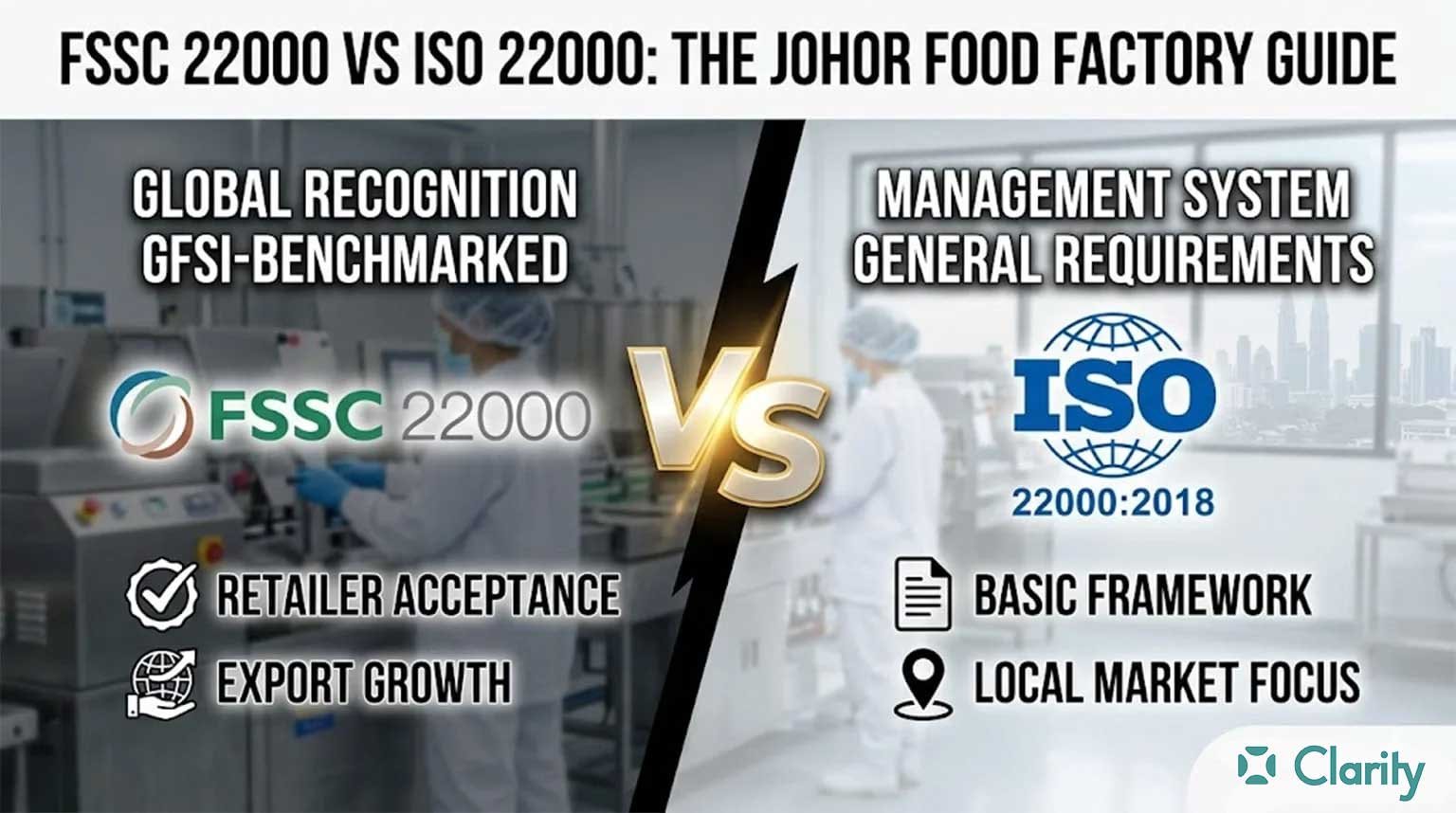
The fundamental difference in FSSC 22000 vs ISO 22000 is GFSI recognition. This global recognition acts as a “passport” for your products. When a food factory holds an FSSC 22000 certificate, international retailers and auditors can trust the management system without requiring redundant secondary audits.
Reason 2: Technical Deep Dive: The Scheme Differences
ISO 22000 offers a foundational management framework, but FSSC 22000 incorporates specific prerequisite programs (PRPs). This includes rigorous requirements for utilities, waste disposal, and equipment maintenance. For a factory in Malaysia, having these specific PRPs verified at an international grade reduces the long-term cost of quality management.
Reason 3: Enhanced Pre-Requisite Programs (PRPs)
Unlike ISO 22000, FSSC 22000 includes specific technical specifications for PRPs. This ensures a more robust environment. You can learn more about how Johor factories can prepare for an FSSC 22000 audit to master these technicalities and avoid common pitfalls.
Reason 4: Better Food Defense and Fraud Prevention
FSSC 22000 adds strict requirements for food defense and food fraud prevention. This higher level of rigor protects your brand integrity and prepares you for the unannounced audits common in Malaysia today.
Reason 5: The Johor-Singapore Export Competitive Edge
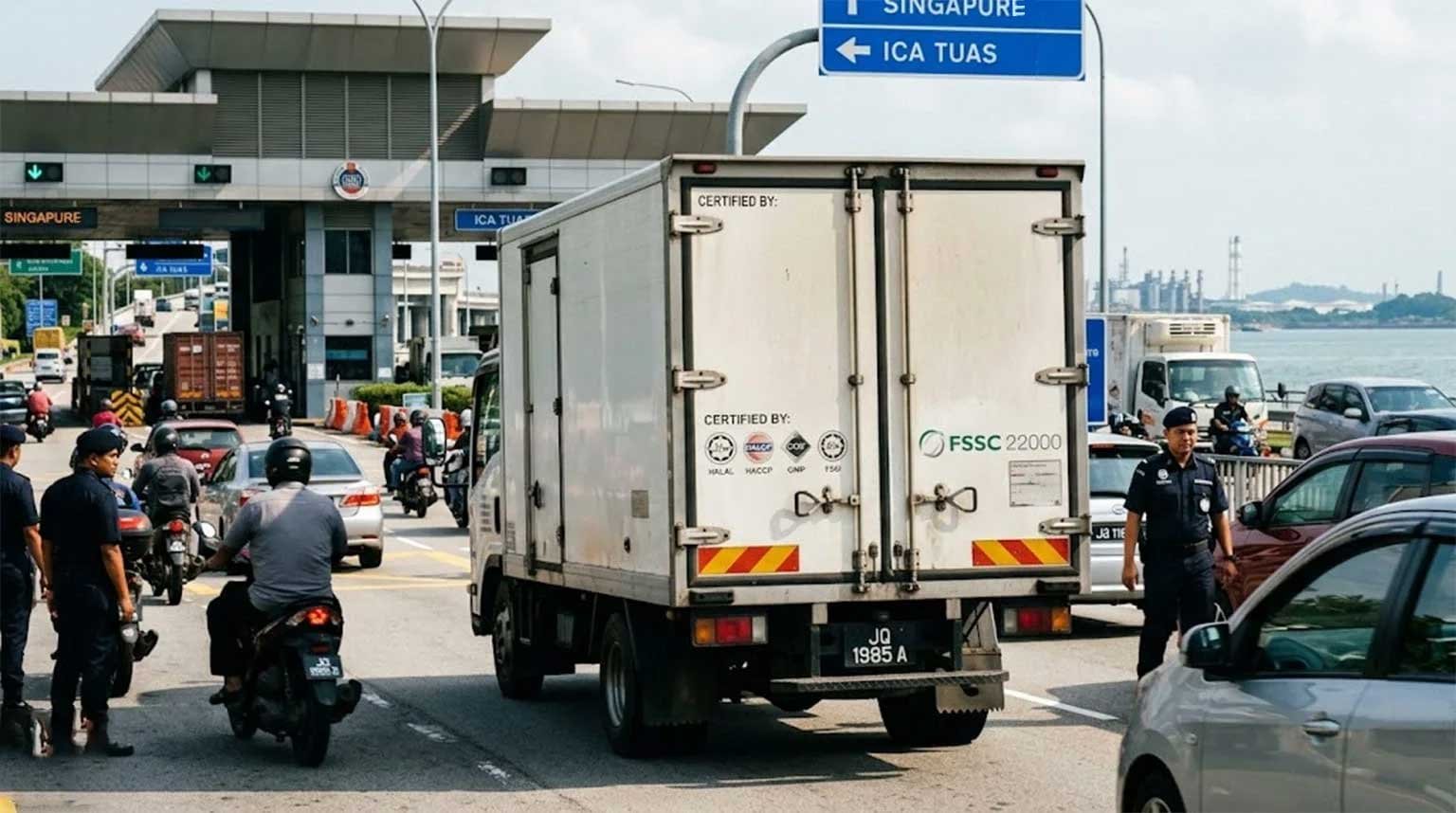
Considering the proximity of Johor food businesses to the Singapore border, certification becomes a vital trade pass. The Singapore Food Agency (SFA) often looks for GFSI-benchmarked standards when evaluating high-risk food imports. By choosing FSSC 22000, your business is not just complying with local laws but actively positioning itself as a premium partner for the demanding Singaporean retail market.
Reason 6: Integration with ESG and Sustainability Goals
Modern B2B buyers value sustainability. Integrating these standards with ESG for SMEs in Malaysia creates a powerful corporate image that attracts high-end partners who value transparency and ethical sourcing.
Reason 7: Long-term Risk Reduction and Brand Success
FSSC 22000 reduces the risk of product recalls and boosts employee morale by providing clear SOPs. Understanding common FSSC 22000 non-conformities helps you maintain a 100% pass rate in the long run.
Conclusion: The Best Path for Your Certification Malaysia
If you aim to export globally and dominate the B2B sector, FSSC 22000 is the clear choice. Investing in a high-tier food safety standard today ensures your business is future-proofed. Clarity is here to help you navigate this journey, stretching our support from Johor to businesses nationwide and across Singapore.


FSSC 22000 vs ISO 22000: 7 Stunning Secrets for Your Incredible Factory Success
FSSC 22000 vs ISO 22000: 7 Stunning Secrets for Your Incredible Factory Success
The Real Debate: FSSC 22000 vs ISO 22000 for Johor Factories
In the heart of Malaysia’s industrial southern gateway, staying competitive as a Johor food business means more than just having a great product. It demands a commitment to global safety benchmarks. Many factory owners in Batu Pahat, Senai, and Pasir Gudang find themselves at a critical crossroads: FSSC 22000 vs ISO 22000.
While both are prestigious, choosing the right Certification Malaysia is a strategic move that transforms your operational standards into a powerful marketing tool. According to the authoritative Global Food Safety Initiative (GFSI), these standards are essential for building modern supply chain resilience.
Reason 1: Global Recognition through GFSI Recognition
The fundamental difference in FSSC 22000 vs ISO 22000 is GFSI recognition. This global recognition acts as a “passport” for your products. When a food factory holds an FSSC 22000 certificate, international retailers and auditors can trust the management system without requiring redundant secondary audits.
Reason 2: Technical Deep Dive: The Scheme Differences
ISO 22000 offers a foundational management framework, but FSSC 22000 incorporates specific prerequisite programs (PRPs). This includes rigorous requirements for utilities, waste disposal, and equipment maintenance. For a factory in Malaysia, having these specific PRPs verified at an international grade reduces the long-term cost of quality management.
Reason 3: Enhanced Pre-Requisite Programs (PRPs)
Unlike ISO 22000, FSSC 22000 includes specific technical specifications for PRPs. This ensures a more robust environment. You can learn more about how Johor factories can prepare for an FSSC 22000 audit to master these technicalities and avoid common pitfalls.
Reason 4: Better Food Defense and Fraud Prevention
FSSC 22000 adds strict requirements for food defense and food fraud prevention. This higher level of rigor protects your brand integrity and prepares you for the unannounced audits common in Malaysia today.
Reason 5: The Johor-Singapore Export Competitive Edge
Considering the proximity of Johor food businesses to the Singapore border, certification becomes a vital trade pass. The Singapore Food Agency (SFA) often looks for GFSI-benchmarked standards when evaluating high-risk food imports. By choosing FSSC 22000, your business is not just complying with local laws but actively positioning itself as a premium partner for the demanding Singaporean retail market.
Reason 6: Integration with ESG and Sustainability Goals
Modern B2B buyers value sustainability. Integrating these standards with ESG for SMEs in Malaysia creates a powerful corporate image that attracts high-end partners who value transparency and ethical sourcing.
Reason 7: Long-term Risk Reduction and Brand Success
FSSC 22000 reduces the risk of product recalls and boosts employee morale by providing clear SOPs. Understanding common FSSC 22000 non-conformities helps you maintain a 100% pass rate in the long run.
Conclusion: The Best Path for Your Certification Malaysia
If you aim to export globally and dominate the B2B sector, FSSC 22000 is the clear choice. Investing in a high-tier food safety standard today ensures your business is future-proofed. Clarity is here to help you navigate this journey, stretching our support from Johor to businesses nationwide and across Singapore.
