

ESG for SMEs in Malaysia: A Practical Guide for 2026

ESG for SMEs Malaysia: What It Means for Businesses
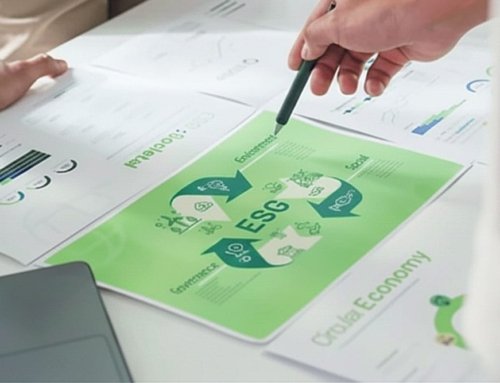
ESG covers three main areas
01. Environmental
02. Social
03. Governance
Environmental looks at how your business manages energy, waste, water usage, emissions, and resources.
Social focuses on workplace safety, labour practices, employee welfare, and training.
Governance covers business ethics, anti-corruption measures, internal controls, and documentation.
Large companies have followed ESG practices for many years. In 2026, more SMEs will need to demonstrate ESG compliance because they operate within larger supply chains. To continue working with certain buyers or banks, you may be asked to provide policies, records, or supporting data.
Key Takeaways
- ESG for SMEs Malaysia is becoming a direct requirement in 2026 as buyers, banks, and GLCs tighten their screening criteria.
- SMEs that prepare early with proper policies, data, and governance records gain better access to tenders, financing, and export markets.
- A simple step-by-step ESG approach, supported by basic documentation and practical improvements, helps SMEs meet new expectations without high cost.
Why ESG for SMEs Malaysia Becomes Critical in 2026
1. Stronger global buyer requirements
If you export to the EU, US, or Japan, you will face tighter ESG requirements in 2026.
The EU Green Deal is entering a more demanding phase. Importers will request carbon data, waste information, and safety records from suppliers. Weak ESG performance can delay shipments or reduce your chances of securing orders.
The Carbon Border Adjustment Mechanism targets products with high carbon intensity. Industries such as steel, aluminium, cement, fertiliser, and electricity are most affected. Even if your products do not fall into these categories, buyers may still request ESG documentation to protect their supply chains.
US and Japanese buyers are also strengthening ESG checks. Japanese companies follow strict labour and safety standards and often require clear evidence of fair practices from suppliers. These developments push Malaysian SMEs to maintain proper ESG records.
2. Banks in Malaysia introduce stronger ESG scoring
Banks in Malaysia have begun applying ESG scoring to new loans and refinancing. This includes Maybank, CIMB, RHB, Hong Leong, and Bank Islam.
In 2026, SMEs may experience:
- Lower interest rates for companies with strong ESG performance
- Higher interest rates for companies with weak ESG practices
- More detailed questions during loan assessments
- Requests for environmental and safety records
- Requests for governance-related documents
Bank Negara has issued Climate Risk Management guidelines. By 2026, banks will apply these guidelines more strictly. SMEs that cannot demonstrate proper safety, environmental, or governance controls may be classified as higher risk, leading to tougher loan terms.
3. ESG affects tender success
If you supply to GLCs or MNCs, ESG is becoming a direct requirement. Many large organisations already assess suppliers using ESG criteria, and this will carry greater weight in 2026.
Examples include:
- Petronas
- Tenaga Nasional
- Telekom Malaysia
- Multinational factories in Malaysia
- Large construction groups
These companies commonly request:
- ISO 14001
- ISO 45001
- Employee welfare records
- Safety performance reports
- Energy and waste data
When two suppliers offer similar pricing, buyers often select the supplier with stronger ESG compliance.
ESG becomes a key tie-breaker in tender decisions.
4. Pressure from MNC supply chains
Multinational companies are required to report their full carbon footprint, including Scope 3 emissions.
Scope 3 emissions include those generated by suppliers.
As a result, buyers may request data such as:
- Electricity usage
- Fuel consumption
- Waste generation
- Accident records
- Safety training programmes
- Labour compliance documentation
SMEs that cannot provide this information risk losing supply contracts. This pressure will be particularly strong in export-oriented sectors such as electronics, automotive parts, food products, furniture, and chemicals.
5. Competitive positioning
ESG helps SMEs stand out. Many buyers prefer suppliers with strong safety records, clean operations, and transparent governance.
ESG demonstrates that your business is well managed, builds trust, and strengthens your brand when engaging with buyers, banks, and partners.
Benefits of ESG for Malaysian SMEs
ESG delivers practical business benefits. SMEs can:
- Reduce operational risks
- Lower the likelihood of workplace accidents
- Avoid regulatory penalties
- Reduce waste
- Improve energy efficiency
- Enhance staff retention
Businesses with proper policies and controls tend to operate more smoothly and face fewer unexpected issues. A structured ESG system also simplifies daily operations.

ESG Standards SMEs Should Follow in 2026
You do not need to adopt every standard. Choose those that align with your industry and risk profile.
For many SMEs, ESG certification Malaysia options such as ISO standards provide a recognised framework for meeting buyer and bank expectations.
ISO 14001
Focuses on environmental management. Suitable for factories, workshops, construction, and businesses with waste or emissions.
ISO 45001
Covers occupational health and safety. Important for industries involving machinery, chemicals, noise, or manual labour.
ISO 9001
Addresses quality management and governance. Helps establish documentation, controls, and defined processes.
GRI Standards
Used for ESG reporting and commonly required by exporters.
SIRIM Eco Label
Useful for consumer products making environmental claims.
Green Building Index
Relevant for property and construction-related businesses.
A simple table can guide decision-making.
01. Environmental
- ISO 14001
- GRI
- SIRIM Eco Label
02. Social
- ISO 45001
- Labour compliance records
- Safety performance records
03. Governance
- ISO 9001
- Anti-corruption documents
- Internal controls and policies

How SMEs Can Start ESG in 2026
SMEs can follow a clear, step-by-step approach to avoid confusion and manage costs effectively.
Step 1. ESG readiness assessment
A gap analysis identifies what the business already has and what is missing. It reviews:
- Policies
- Safety controls
- Environmental data
- Training records
- Governance procedures
This step helps SMEs focus only on real gaps and avoid unnecessary spending.
Step 2. Collect environmental and social data
Start recording basic information, including:
- Monthly electricity usage
- Monthly water usage
- Types of waste generated
- Waste volume or weight, where possible
- Diesel or petrol usage
- Number of safety incidents
- Number of safety training sessions
Most SMEs already have this information and only need to organise it properly.
Step 3. Improve key areas
Focus on improvements that deliver quick results, such as:
- Installing safety signage
- Providing PPE consistently
- Tracking waste and recycling where possible
- Fixing leaks or areas with high energy usage
- Setting simple procedures for chemical handling
- Keeping basic worker welfare records
Small changes can lead to better ESG outcomes.
Step 4. Prepare ESG documentation
Clear and simple documentation is required, including:
- Environmental policy
- Safety policy
- Anti-corruption policy
- Standard operating procedures
- Incident reporting forms
- Training records
- Waste records
- Energy usage data
These documents demonstrate that the business follows structured systems.
Step 5. Prepare for certification or reporting
Choose the path that best suits the business.
>Certification
- ISO 14001
- ISO 45001
- ISO 9001
>Reporting
- GRI Standards
- Buyer-specific templates
An auditor or consultant can assist with the final preparation steps.
Common Challenges and How to Solve Them
Lack of internal expertise
Start with a consultant to establish the framework, then train one staff member to maintain the system.
Limited budget
Focus on low-cost improvements first. Strong documentation already adds value.
Lack of data
Collect simple data monthly using spreadsheets to keep costs low.
Unclear expectations from buyers
Request ESG checklists directly from buyers whenever possible.
Resistance from staff
Explain how ESG improves safety, reduces penalties, and protects jobs by meeting buyer requirements.
Why Early Action Matters
Many SMEs wait until buyers or banks request ESG information, which often leads to rushed decisions. Starting early allows businesses to prepare documentation and close gaps at their own pace. Buyers prefer suppliers who act early, as it demonstrates responsibility and commitment.
Competitors are also preparing. Early action helps SMEs stay ahead in tenders, supplier lists, and export approvals.
How Advanced HSE Solutions Supports SMEs
Advanced HSE Solutions provides comprehensive ESG support for SMEs in Malaysia, including:
- ESG advisory
- Gap analysis
- Data collection system setup
- ISO 14001, ISO 45001, and ISO 9001 preparation
- Environmental and safety monitoring
- Governance documentation
- ESG reporting
- Training for internal staff
The aim is to help SMEs meet 2026 ESG requirements through clear, structured steps without unnecessary cost.
Final Thoughts
As ESG expectations continue to rise, 2026 marks an important milestone for ESG for SMEs Malaysia across multiple industries. Buyers, banks, and supply chain partners are increasingly looking for clear evidence of environmental, social, and governance practices as part of their risk and compliance assessments. Preparing early allows SMEs to companies documentation properly, address gaps systematically, and respond more confidently when ESG information is requested.
ESG preparation does not need to be complex or costly at the initial stage. With a structured approach, basic data tracking, and clear policies, SMEs can meet new expectations while maintaining operational efficiency. For businesses that require clearer direction on ESG preparation, documentation, or certification pathways, the Clarity team is available to provide practical guidance aligned with industry needs and 2026 requirements.


ESG for SMEs in Malaysia: A Practical Guide for 2026
ESG for SMEs Malaysia: What It Means for Businesses
ESG covers three main areas
01. Environmental
02. Social
03. Governance
Environmental looks at how your business manages energy, waste, water usage, emissions, and resources.
Social focuses on workplace safety, labour practices, employee welfare, and training.
Governance covers business ethics, anti-corruption measures, internal controls, and documentation.
Large companies have followed ESG practices for many years. In 2026, more SMEs will need to demonstrate ESG compliance because they operate within larger supply chains. To continue working with certain buyers or banks, you may be asked to provide policies, records, or supporting data.
Key Takeaways
- ESG for SMEs Malaysia is becoming a direct requirement in 2026 as buyers, banks, and GLCs tighten their screening criteria.
- SMEs that prepare early with proper policies, data, and governance records gain better access to tenders, financing, and export markets.
- A simple step-by-step ESG approach, supported by basic documentation and practical improvements, helps SMEs meet new expectations without high cost.
Why ESG for SMEs Malaysia Becomes Critical in 2026
1. Stronger global buyer requirements
If you export to the EU, US, or Japan, you will face tighter ESG requirements in 2026.
The EU Green Deal is entering a more demanding phase. Importers will request carbon data, waste information, and safety records from suppliers. Weak ESG performance can delay shipments or reduce your chances of securing orders.
The Carbon Border Adjustment Mechanism targets products with high carbon intensity. Industries such as steel, aluminium, cement, fertiliser, and electricity are most affected. Even if your products do not fall into these categories, buyers may still request ESG documentation to protect their supply chains.
US and Japanese buyers are also strengthening ESG checks. Japanese companies follow strict labour and safety standards and often require clear evidence of fair practices from suppliers. These developments push Malaysian SMEs to maintain proper ESG records.
2. Banks in Malaysia introduce stronger ESG scoring
Banks in Malaysia have begun applying ESG scoring to new loans and refinancing. This includes Maybank, CIMB, RHB, Hong Leong, and Bank Islam.
In 2026, SMEs may experience:
- Lower interest rates for companies with strong ESG performance
- Higher interest rates for companies with weak ESG practices
- More detailed questions during loan assessments
- Requests for environmental and safety records
- Requests for governance-related documents
Bank Negara has issued Climate Risk Management guidelines. By 2026, banks will apply these guidelines more strictly. SMEs that cannot demonstrate proper safety, environmental, or governance controls may be classified as higher risk, leading to tougher loan terms.
3. ESG affects tender success
If you supply to GLCs or MNCs, ESG is becoming a direct requirement. Many large organisations already assess suppliers using ESG criteria, and this will carry greater weight in 2026.
Examples include:
- Petronas
- Tenaga Nasional
- Telekom Malaysia
- Multinational factories in Malaysia
- Large construction groups
These companies commonly request:
- ISO 14001
- ISO 45001
- Employee welfare records
- Safety performance reports
- Energy and waste data
When two suppliers offer similar pricing, buyers often select the supplier with stronger ESG compliance.
ESG becomes a key tie-breaker in tender decisions.
4. Pressure from MNC supply chains
Multinational companies are required to report their full carbon footprint, including Scope 3 emissions.
Scope 3 emissions include those generated by suppliers.
As a result, buyers may request data such as:
- Electricity usage
- Fuel consumption
- Waste generation
- Accident records
- Safety training programmes
- Labour compliance documentation
SMEs that cannot provide this information risk losing supply contracts. This pressure will be particularly strong in export-oriented sectors such as electronics, automotive parts, food products, furniture, and chemicals.
5. Competitive positioning
ESG helps SMEs stand out. Many buyers prefer suppliers with strong safety records, clean operations, and transparent governance.
ESG demonstrates that your business is well managed, builds trust, and strengthens your brand when engaging with buyers, banks, and partners.
Benefits of ESG for Malaysian SMEs
ESG delivers practical business benefits. SMEs can:
- Reduce operational risks
- Lower the likelihood of workplace accidents
- Avoid regulatory penalties
- Reduce waste
- Improve energy efficiency
- Enhance staff retention
Businesses with proper policies and controls tend to operate more smoothly and face fewer unexpected issues. A structured ESG system also simplifies daily operations.
ESG Standards SMEs Should Follow in 2026
You do not need to adopt every standard. Choose those that align with your industry and risk profile.
For many SMEs, ESG certification Malaysia options such as ISO standards provide a recognised framework for meeting buyer and bank expectations.
ISO 14001
Focuses on environmental management. Suitable for factories, workshops, construction, and businesses with waste or emissions.
ISO 45001
Covers occupational health and safety. Important for industries involving machinery, chemicals, noise, or manual labour.
ISO 9001
Addresses quality management and governance. Helps establish documentation, controls, and defined processes.
GRI Standards
Used for ESG reporting and commonly required by exporters.
SIRIM Eco Label
Useful for consumer products making environmental claims.
Green Building Index
Relevant for property and construction-related businesses.
A simple table can guide decision-making.
01. Environmental
- ISO 14001
- GRI
- SIRIM Eco Label
02. Social
- ISO 45001
- Labour compliance records
- Safety performance records
03. Governance
- ISO 9001
- Anti-corruption documents
- Internal controls and policies
How SMEs Can Start ESG in 2026
SMEs can follow a clear, step-by-step approach to avoid confusion and manage costs effectively.
Step 1. ESG readiness assessment
A gap analysis identifies what the business already has and what is missing. It reviews:
- Policies
- Safety controls
- Environmental data
- Training records
- Governance procedures
This step helps SMEs focus only on real gaps and avoid unnecessary spending.
Step 2. Collect environmental and social data
Start recording basic information, including:
- Monthly electricity usage
- Monthly water usage
- Types of waste generated
- Waste volume or weight, where possible
- Diesel or petrol usage
- Number of safety incidents
- Number of safety training sessions
Most SMEs already have this information and only need to organise it properly.
Step 3. Improve key areas
Focus on improvements that deliver quick results, such as:
- Installing safety signage
- Providing PPE consistently
- Tracking waste and recycling where possible
- Fixing leaks or areas with high energy usage
- Setting simple procedures for chemical handling
- Keeping basic worker welfare records
Small changes can lead to better ESG outcomes.
Step 4. Prepare ESG documentation
Clear and simple documentation is required, including:
- Environmental policy
- Safety policy
- Anti-corruption policy
- Standard operating procedures
- Incident reporting forms
- Training records
- Waste records
- Energy usage data
These documents demonstrate that the business follows structured systems.
Step 5. Prepare for certification or reporting
Choose the path that best suits the business.
>Certification
- ISO 14001
- ISO 45001
- ISO 9001
>Reporting
- GRI Standards
- Buyer-specific templates
An auditor or consultant can assist with the final preparation steps.
Common Challenges and How to Solve Them
Lack of internal expertise
Start with a consultant to establish the framework, then train one staff member to maintain the system.
Limited budget
Focus on low-cost improvements first. Strong documentation already adds value.
Lack of data
Collect simple data monthly using spreadsheets to keep costs low.
Unclear expectations from buyers
Request ESG checklists directly from buyers whenever possible.
Resistance from staff
Explain how ESG improves safety, reduces penalties, and protects jobs by meeting buyer requirements.
Why Early Action Matters
Many SMEs wait until buyers or banks request ESG information, which often leads to rushed decisions. Starting early allows businesses to prepare documentation and close gaps at their own pace. Buyers prefer suppliers who act early, as it demonstrates responsibility and commitment.
Competitors are also preparing. Early action helps SMEs stay ahead in tenders, supplier lists, and export approvals.
How Advanced HSE Solutions Supports SMEs
Advanced HSE Solutions provides comprehensive ESG support for SMEs in Malaysia, including:
- ESG advisory
- Gap analysis
- Data collection system setup
- ISO 14001, ISO 45001, and ISO 9001 preparation
- Environmental and safety monitoring
- Governance documentation
- ESG reporting
- Training for internal staff
The aim is to help SMEs meet 2026 ESG requirements through clear, structured steps without unnecessary cost.
Final Thoughts
As ESG expectations continue to rise, 2026 marks an important milestone for ESG for SMEs Malaysia across multiple industries. Buyers, banks, and supply chain partners are increasingly looking for clear evidence of environmental, social, and governance practices as part of their risk and compliance assessments. Preparing early allows SMEs to companies documentation properly, address gaps systematically, and respond more confidently when ESG information is requested.
ESG preparation does not need to be complex or costly at the initial stage. With a structured approach, basic data tracking, and clear policies, SMEs can meet new expectations while maintaining operational efficiency. For businesses that require clearer direction on ESG preparation, documentation, or certification pathways, the Clarity team is available to provide practical guidance aligned with industry needs and 2026 requirements.
